Born in Winnipeg. Rooted in Punjab. An addictions consultant who works in the two places this crisis actually lives - the village and the diaspora.
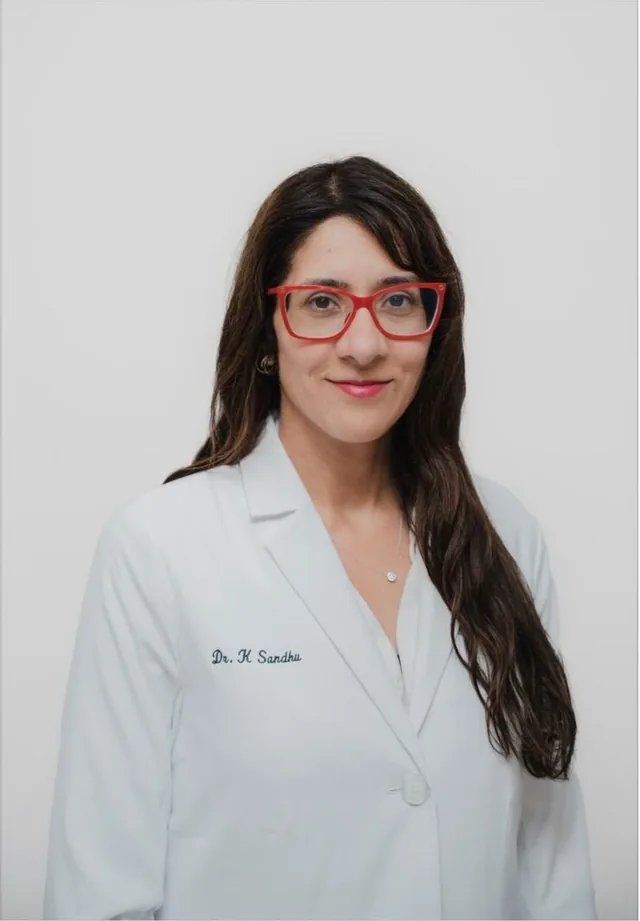
I was born in Winnipeg, Manitoba, to Satnam Singh Sandhu and Iqbal Kaur Sandhu, who came to Canada from Punjab. Growing up, Punjabi was not automatic for me - it was something I had to work at, because I wanted to be able to speak properly with my family back home rather than smile through conversations I only half understood.
That decision turned out to shape my career. Medicine gave me the training; Punjabi gave me the access. Both are necessary. A family will not tell you the truth about a son’s heroin use in a second language, through a translator, in front of a stranger.
In 1992 I travelled to India as a young person. That trip is the reason for everything that followed. I saw how thin the line was between having care and having none - how a treatable condition becomes a catastrophe simply because the nearest doctor is too far, too expensive, or too busy. It was not abstract. These were my relatives, my parents’ village, my own name on the family tree.
I went into medicine with that in mind, completed my MD, and did my residency in the United States. I have worked in Haiti, and I keep a standing interest in tropical medicine - the kind of practice where resources are short and the diagnosis has to come from your hands and your questions rather than from a machine.
Every year since, I have gone back to Punjab to work: medical camps, screening, awareness sessions in schools and colleges, marathons, conversations with young people who are not yet in trouble and would like to stay that way, and connectivity projects to get villages and schools online.
Over the last decade the centre of gravity of that work has shifted. The dominant health problem in rural Punjab is no longer only what I trained for in tropical and family medicine. It is addiction - heroin, cocaine, and increasingly the synthetic opioids that are cheaper, stronger and much harder to survive. And it does not stay in Punjab. It moves with families, into Brampton, Surrey, Winnipeg, Southall.
So my practice now sits in both places. In Winnipeg I work as an addictions consultant in private practice and consult with Health Sciences Centre and St. Boniface Hospital. In Punjab I work with local hospitals, schools and community organisations. It is the same illness, the same shame, and largely the same families.
The mentality and behaviour of drug addicts and alcoholics is wholly irrational until you understand that they are completely powerless over their addiction.
Russell Brand
Our community is small and news travels. What is said in a consultation stays there. That is not a courtesy; it is the condition that makes honest conversation possible at all.
Not weakness, not a character defect, not something a person chooses each morning. Treating it as a moral failing is the single biggest reason people arrive years too late.
By the time a family reaches out, they have usually been managing a crisis for years. They need care, information and a plan of their own - not just instructions about someone else.
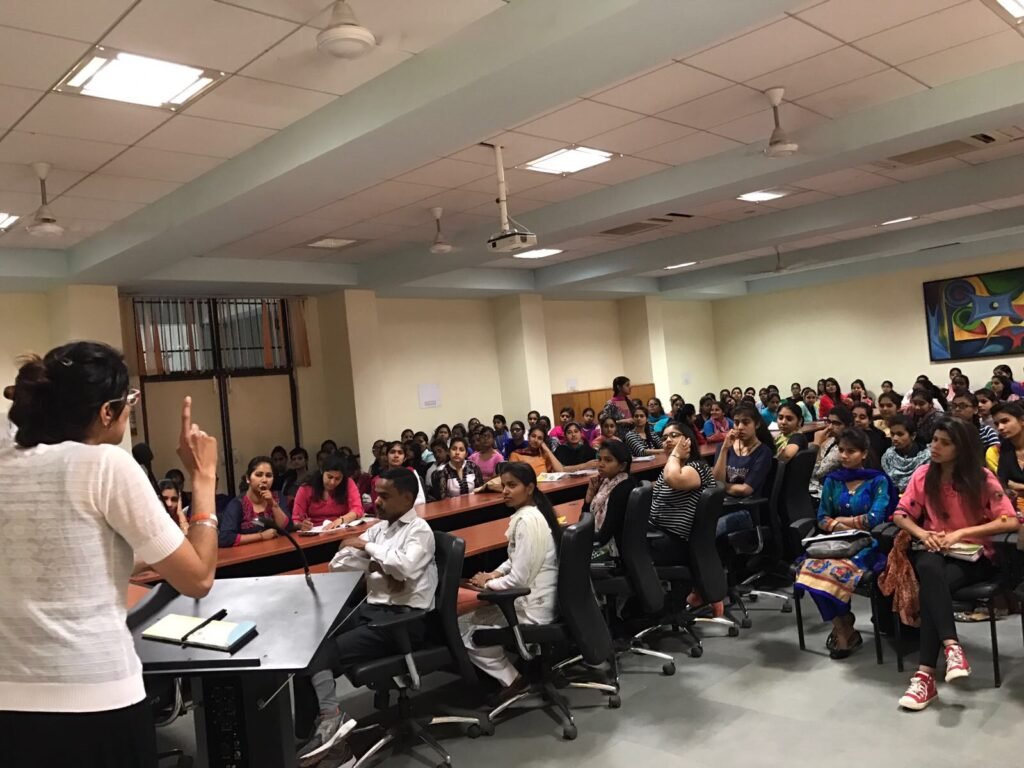
Addressing addiction and restoring well-being in rural Northern India - and in Punjabi families wherever they live.
Winnipeg, Manitoba
& Punjab, India
Consultations in Punjabi
and English
Enquiries answered
within 48 hours
© 2026 Punjabi Doc - Dr. Kernjeet Kaur Sandhu, MD. All rights reserved.
Web design and services by Techbird.ca