Vetted organisations for addiction and mental health support - grouped so you can find the right door on the first try instead of the fifth.
If someone is unresponsive, has stopped breathing, is in severe withdrawal, or is at immediate risk of harming themselves, call emergency services now - 911 in Canada and the USA, 112 in India. In Canada you can also reach the Suicide Crisis Helpline by calling or texting 988. Everything on this page is health information, not emergency care.
If language, culture or family expectations are part of what is making this hard, start with these. They were built for our community specifically.
A starting point built specifically for Punjabi families struggling with alcohol use and looking for help. Culturally grounded, and written for the family as much as for the person drinking.
A long-established organisation delivering addiction, mental health and family services to South Asian communities in Canada, with school prevention programmes in Punjab.
Works with Punjabi communities on mental health through awareness, education and research particularly good if you want to understand the cultural dimension along with clinical.
Detox rehabs are facilities designed to help people overcome substance use through a combination of medical detoxification and rehabilitation programming.
A comprehensive 90-day treatment programme with daily activities centred on recovery and on learning how to stay recovered - the second half being the part most programmes skip.
Evidence-based addiction treatment together with counselling for co-occurring mental health conditions. Relevant when depression, anxiety or trauma sit underneath the substance use.
A plain-English guide to alcohol addiction, treatment routes and what life without alcohol dependence involves. Useful reading before you commit to any programme.
Detox is the process of clearing alcohol or drugs from the body, normally with medical supervision to manage withdrawal safely. Alcohol and benzodiazepine withdrawal in particular can be dangerous without it - never attempt those alone.
Practical, research-backed approaches for families - how to influence change in someone who is not yet ready, without ultimatums or confrontation.
If this list is overwhelming, describe your situation in an email and I will point you toward the two or three worth your time. No cost, no obligation, no name required.
Free, widely available, and in most places you can walk in tonight.
Peer support for people affected by someone else’s drinking. Non-judgemental by design - nobody there needs the background explained, because they have lived it.
Worldwide peer fellowship for people who want to stop drinking. Meetings run in most cities daily, in person and online, at no cost and without referral.
The equivalent fellowship for drug use rather than alcohol, including heroin and prescription opioids. Meetings are open, anonymous and free everywhere they operate.
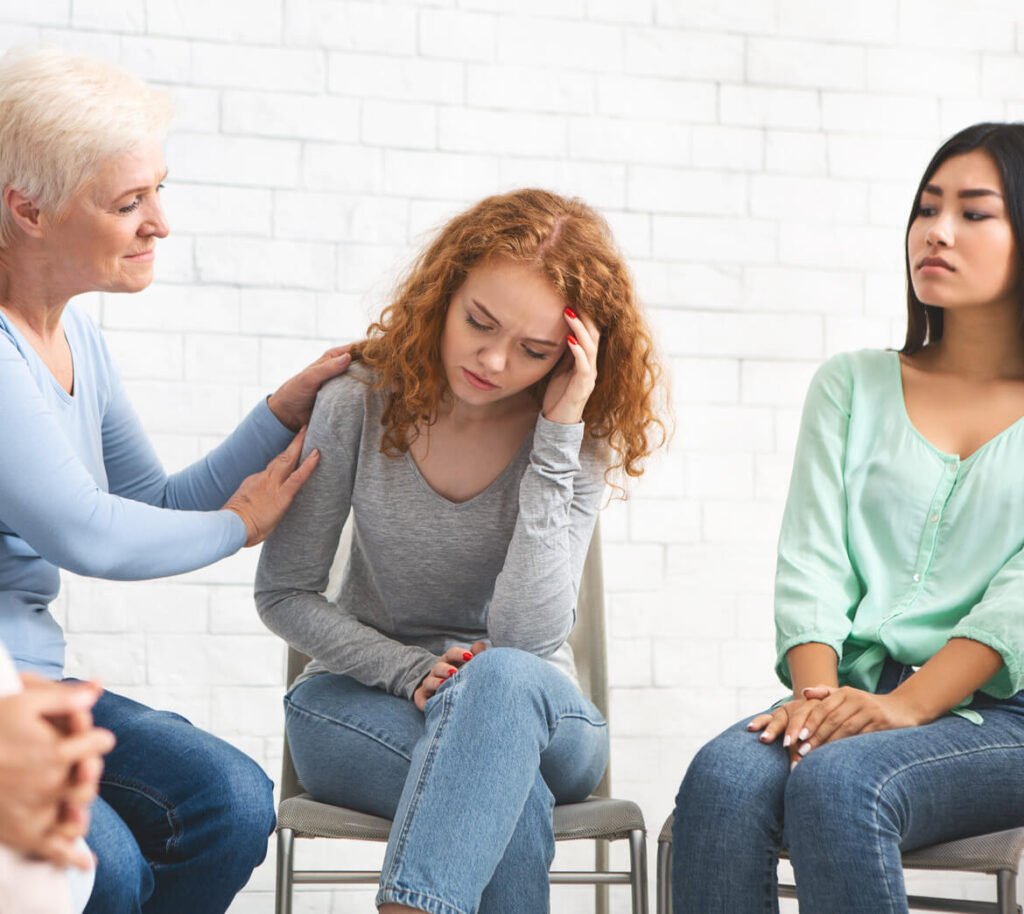
There is no perfect script, but there are approaches that reliably fail. Confrontation, ultimatums and shame put people on the defensive and buy silence, not change.
Addressing addiction and restoring well-being in rural Northern India - and in Punjabi families wherever they live.
Winnipeg, Manitoba
& Punjab, India
Consultations in Punjabi
and English
Enquiries answered
within 48 hours
© 2026 Punjabi Doc - Dr. Kernjeet Kaur Sandhu, MD. All rights reserved.
Web design and services by Techbird.ca