Four ways this practice operates - from a private consultation in Winnipeg to a screening table in a Tarn Taran village.
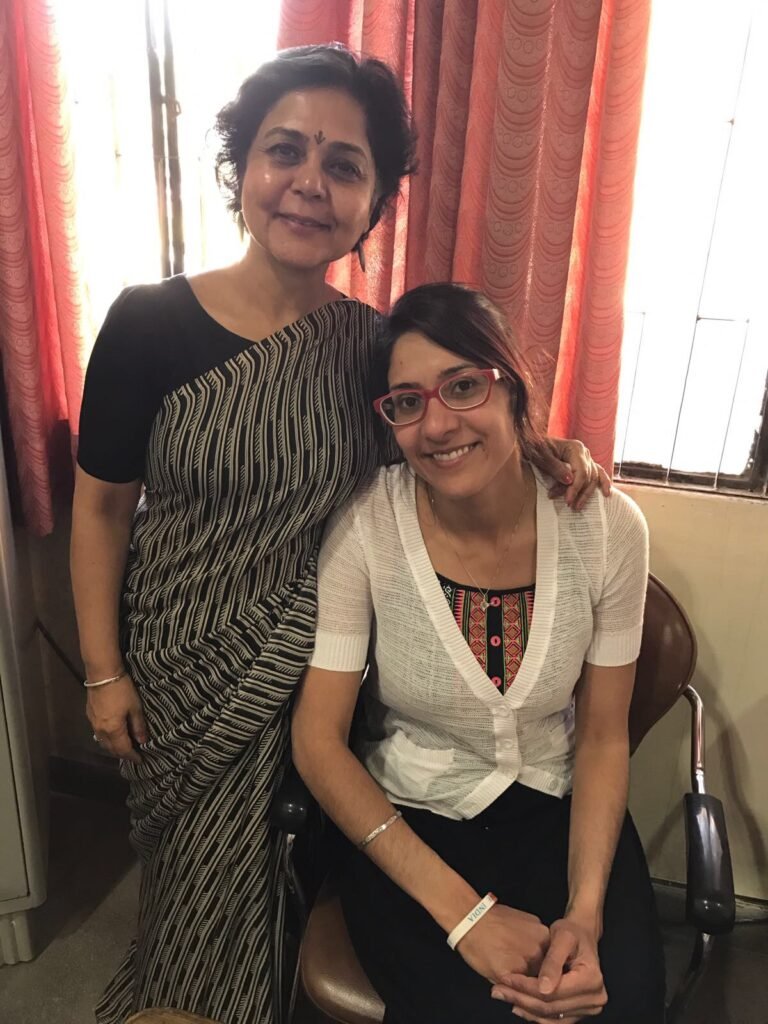
A confidential conversation about what is actually happening - substance use, patterns, physical health, what has already been tried, and what realistically comes next. For the person using, or for a family member who needs to understand what they are dealing with.
Families are usually the first to notice and the last to get help. This is for the parents, spouses and siblings who have been managing a crisis for years without a single person explaining what is going on.

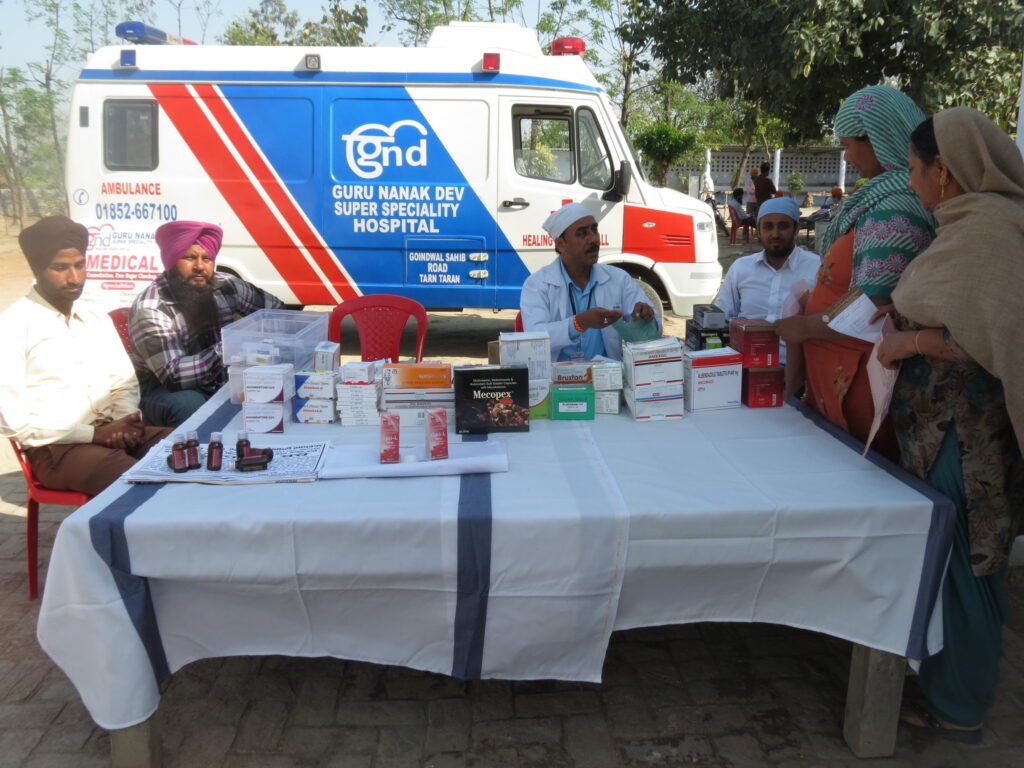
Free camps run each year in Punjab with local hospital partners such as Guru Nanak Super Specialty Hospital, plus school visits, awareness programming and connectivity projects for villages and schools.
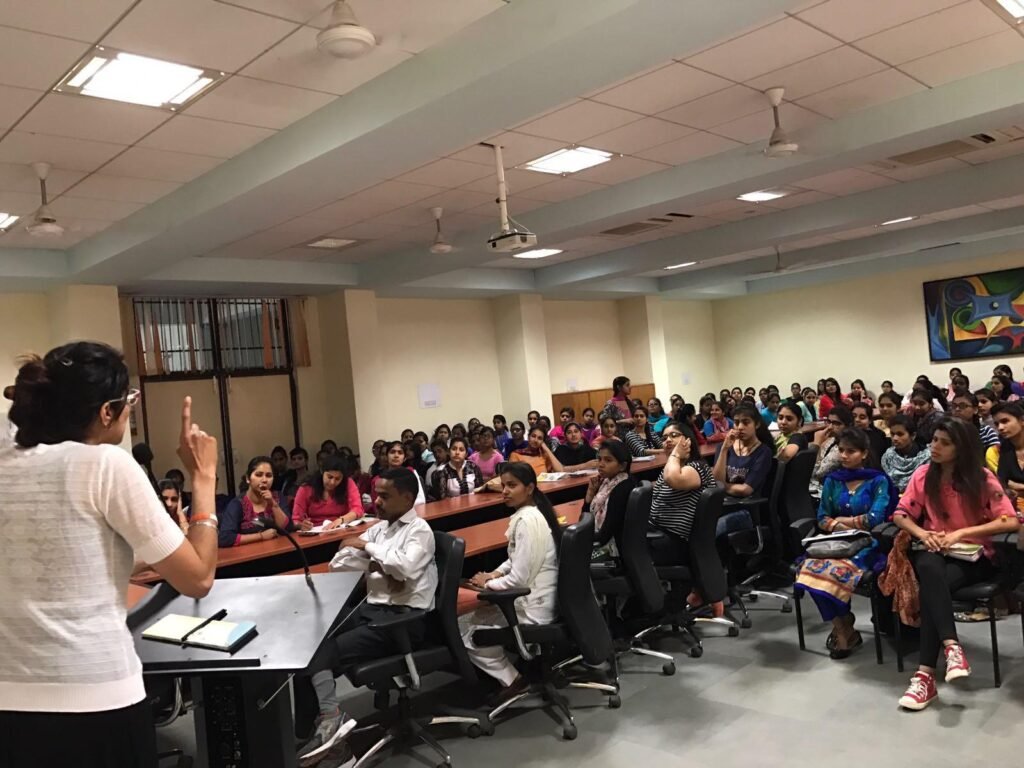
Colleges in Amritsar and Chandigarh, community organisations in Brampton, public lectures in Winnipeg, and Punjabi-language radio. If your audience needs to hear about addiction from a physician who speaks their language, this is that.
Yes. Nothing you share is discussed with anyone - not relatives, not community members, not your gurdwara, not your employer. This is the single most common worry raised, and it is also the main reason people wait years before reaching out. You do not need to give a full name in a first email.
Yes - consultations, lectures and media are all offered in Punjabi as well as English. If it is easier for a parent or grandparent to speak Punjabi, that is how the conversation happens. Nothing important should be lost to translation.
Absolutely, and most first contacts come from a family member rather than the person using. You do not need their permission to seek information and support for yourself. In many cases getting the family steady first is what eventually makes treatment possible.
That is normal, not a dead end. Ambivalence is part of the condition rather than a sign the person does not care. There is a great deal a family can do in the meantime - reducing overdose risk, changing how conversations are framed, keeping a relationship intact so that the door is still open when readiness comes.
Yes. Previous audiences include Khalsa College Amritsar, Government College for Girls Chandigarh, Punjabi Community Health Services in Brampton, the Manitoba Legislative Grounds, and Punjabi-language radio in Winnipeg. Sessions can be tailored to students, parents, health workers or a general community audience.
No. If someone is unresponsive, not breathing, in severe withdrawal, or at immediate risk of harming themselves, call emergency services first - 911 in Canada and the USA, 112 in India. Consultation and education work alongside emergency and hospital care, never instead of it.
Addressing addiction and restoring well-being in rural Northern India - and in Punjabi families wherever they live.
Winnipeg, Manitoba
& Punjab, India
Consultations in Punjabi
and English
Enquiries answered
within 48 hours
© 2026 Punjabi Doc - Dr. Kernjeet Kaur Sandhu, MD. All rights reserved.
Web design and services by Techbird.ca